
Minnesota homeowners face a unique set of challenges that make a well-functioning electrical system not just a convenience, but a genuine necessity. From the brutal winters that drive up energy demands to the aging housing stock found across the Twin Cities metro and Greater Minnesota, the electrical systems in many homes are simply not keeping pace with modern life.
Investing in professional electrical upgrades is one of the smartest financial and safety decisions a homeowner can make, and the reasons go far deeper than simply keeping the lights on.
The Hidden Dangers of Outdated Electrical Systems
Many Minnesota homes, particularly those built before 1980, were wired for a simpler time. Back then, a household might have owned a television, a few lamps, and a refrigerator. Today, the average home runs dozens of devices simultaneously, from smart appliances and home theaters to electric vehicle chargers and high-powered HVAC systems. Older wiring simply was not designed to handle this kind of load.
Aluminum wiring, which was commonly used in homes built during the 1960s and 1970s, is a particular concern. Unlike copper, aluminum expands and contracts more dramatically with temperature changes, and Minnesota temperatures certainly provide extreme swings. Over time, this causes connections to loosen, increasing the risk of arcing and electrical fires. Knob-and-tube wiring, found in even older homes, lacks a ground wire entirely, making it incompatible with modern three-prong outlets and leaving homeowners exposed to serious hazards.
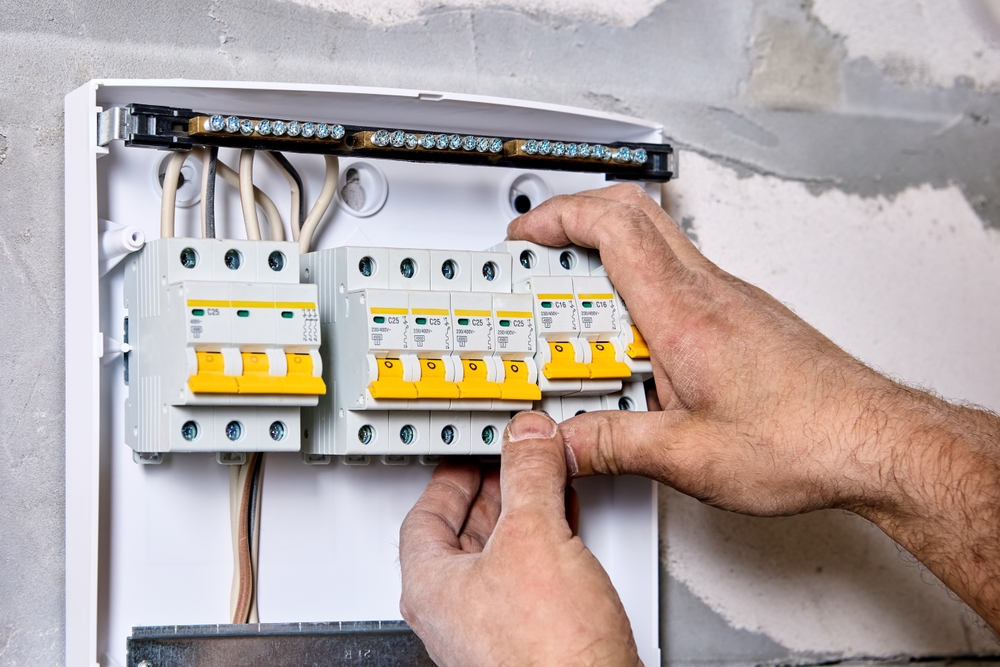
Outdated electrical panels are another ticking clock. Brands like Federal Pacific and Zinsco produced panels that are now known to have significant safety defects, including breakers that fail to trip during overloads. A licensed electrician can assess whether your panel poses a risk and recommend the appropriate upgrade before a dangerous situation develops. In Minnesota, where homes are sealed tight against the cold for months at a time, an electrical fire can spread rapidly. Addressing these risks proactively is not just smart, it is essential.
Energy Efficiency and the Minnesota Climate Connection
Minnesota winters are relentless. Heating costs dominate household budgets from October through April, and many homeowners do not realize that their electrical system plays a direct role in how efficiently their home manages energy. A professional electrical upgrade can dramatically reduce waste and lower monthly utility bills.
One of the most impactful upgrades is the installation of a whole-home smart electrical panel or energy management system. These systems allow homeowners to monitor and control energy usage in real time, identifying which devices and circuits are drawing the most power. By optimizing usage patterns, families can reduce their energy consumption without sacrificing comfort, which matters enormously when the thermostat outside reads minus twenty.
Upgrading to LED-compatible wiring and dimmer systems throughout the home is another efficiency booster. Older wiring configurations can actually cause modern LED bulbs to flicker or underperform, which reduces both their lifespan and their efficiency. A licensed electrician ensures that all circuits are properly calibrated for current technology.
Additionally, Minnesota has seen a significant rise in the adoption of heat pumps as an alternative to traditional gas furnaces. Modern cold-climate heat pumps can operate effectively even at very low temperatures, but they require dedicated electrical circuits and sometimes a panel upgrade to handle the increased load. Pairing a heat pump installation with a professional electrical upgrade creates a powerful combination that can cut heating costs substantially over the long term.
Increasing Home Value in a Competitive Market
The Minnesota real estate market, particularly in the Twin Cities, Duluth, and Rochester areas, remains active and competitive. Buyers today are more educated than ever, and home inspectors are thorough. An outdated electrical system is one of the most common reasons deals fall through or buyers negotiate steep price reductions.
When you invest in a professional electrical upgrade, you are not just improving safety and efficiency; you are also protecting and growing your home’s market value. A newly upgraded 200-amp or 400-amp panel, whole-home surge protection, updated wiring, and modern outlets with GFCI and AFCI protection are all features that savvy buyers notice and appreciate.
Real estate professionals consistently report that homes with updated electrical systems sell faster and closer to asking price than those with outdated infrastructure. In a state where disclosure laws require sellers to be transparent about known issues, having a recently upgraded electrical system removes a major source of concern from the transaction entirely. It signals to buyers that the home has been well cared for and is move-in ready.
For homeowners who are not planning to sell anytime soon, the value calculation is just as compelling. Every year you spend in a home with upgraded electrical infrastructure is a year you benefit from lower energy costs, fewer repair headaches, and the peace of mind that comes with knowing your family is safe.
The Rise of Home Technology and the Need for Modern Infrastructure
Smart home technology has moved from a novelty to a mainstream expectation. Minnesota homeowners are increasingly installing EV chargers, solar panel systems, whole-home generators, advanced security systems, home offices with serious power requirements, and interconnected smart devices that demand stable and robust electrical infrastructure.
Each of these additions places new demands on your electrical system. A standard older panel simply cannot accommodate a Level 2 EV charger, a solar inverter, and a whole-home standby generator without risking overloads and tripped breakers on a regular basis. Trying to patch an outdated system with extension cords and power strips is not only inefficient; it is genuinely dangerous.
Professional electricians in Minnesota are well-versed in designing systems that anticipate future needs. Rather than upgrading reactively every time you add a new device, a forward-thinking electrical plan builds in capacity for growth. This might mean installing a larger panel than your current needs require, adding dedicated circuits for high-draw appliances, or running conduit in walls while they are accessible during a renovation so that future wiring upgrades become straightforward.
Minnesota also experiences significant power disruptions during winter storms. A professionally installed whole-home generator with an automatic transfer switch ensures that your home stays powered during outages, protecting both your family and your property from the consequences of extended power loss. Pipes can freeze and burst within hours in a Minnesota winter without heat, and a generator system is only as reliable as the electrical infrastructure supporting it.
Why Hiring a Licensed Minnesota Electrician Matters
Not all electrical work is created equal, and in Minnesota, the stakes of cutting corners are high. The state requires electrical work to be performed by licensed electricians and to be permitted and inspected by the local authority having jurisdiction. These requirements exist for good reason: improper electrical work is one of the leading causes of residential fires, and unpermitted work can create serious complications when you sell your home or file an insurance claim.
A licensed Minnesota electrician brings more than technical skill to the job. They bring knowledge of the state’s specific electrical codes, an understanding of how Minnesota’s climate affects electrical systems, and the experience to identify issues that a homeowner or unlicensed contractor might easily overlook. They also carry the proper insurance and bonding, which protects you in the unlikely event that something goes wrong during the project.
When selecting an electrician, look for professionals who are licensed through the Minnesota Department of Labor and Industry, carry adequate liability insurance, and have strong local reviews. Ask for a detailed written estimate and make sure all work will be permitted and inspected. A reputable electrician will never suggest skipping the permit process, because doing so puts both of you at risk.
The cost of professional electrical work is real, but it should be viewed as a long-term investment rather than a one-time expense. When you factor in increased safety, lower energy bills, higher home value, and the ability to support modern technology, the return on investment becomes clear.
Conclusion
Upgrading your home’s electrical system is one of the most impactful investments a Minnesota homeowner can make. It improves safety, reduces energy costs, supports modern technology, and strengthens the value of your property. By working with a licensed professional, you ensure the work is done correctly, safely, and in full compliance with Minnesota code. Do not wait for a tripped breaker or a close call to prompt action. The best time to invest in your electrical system is before a problem forces your hand.
Need a Trusted Residential Electrician Near You?
At Kruger Electric Inc., we’ve proudly been serving our community for over 30 years with reliable and efficient electrical solutions. Whether you’re looking to upgrade your electrical panel, install smart switches, or need emergency services, our expert team is here to ensure your home is powered safely and effectively. We’re committed to providing top-notch service, and as a Better Business Bureau-affiliated company, we stand by the quality of every project we undertake. Reach out to us today, and let’s work together to keep your home running smoothly!