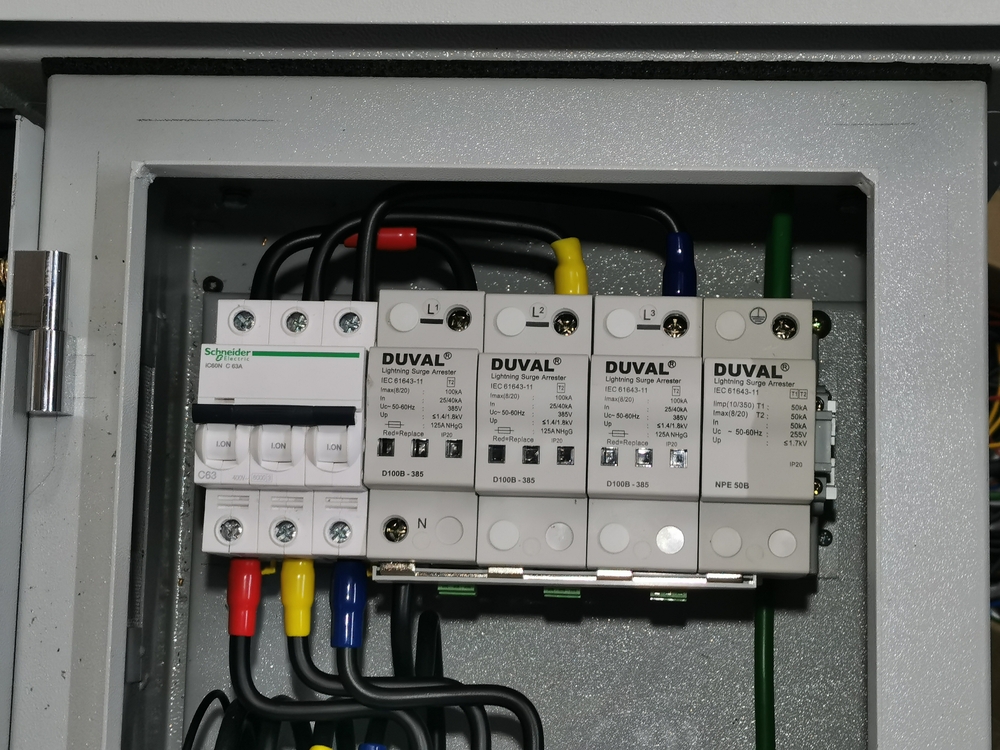
Cold weather in Rochester can arrive quickly, bringing snow, ice, strong winds, and long stretches of below-freezing temperatures. Before winter settles over southeastern Minnesota, homeowners should make sure their electrical systems are ready for heavier seasonal use and weather-related stresses.
Winterizing your electrical system means checking the parts of your home that will work harder or face greater exposure once temperatures drop. Inspect outlets, cords, outdoor connections, electrical panels, heating equipment, and backup power plans before the first major cold snap. Addressing electrical problems in the fall gives you time to make repairs before winter conditions make them more disruptive.
What Rochester Homeowners Should Know
Test GFCI outlets and inspect exterior receptacles before snow and ice begin accumulating.
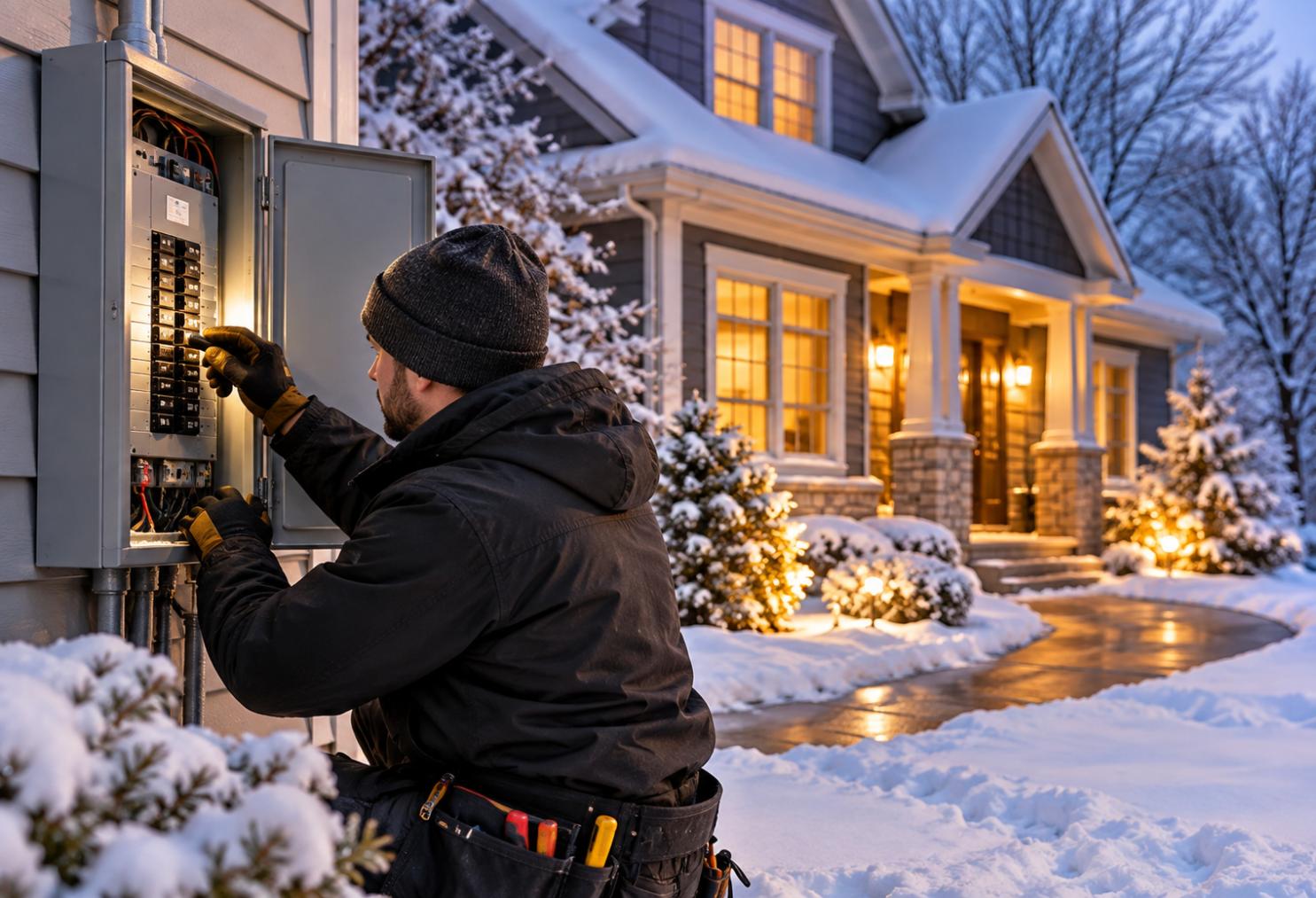
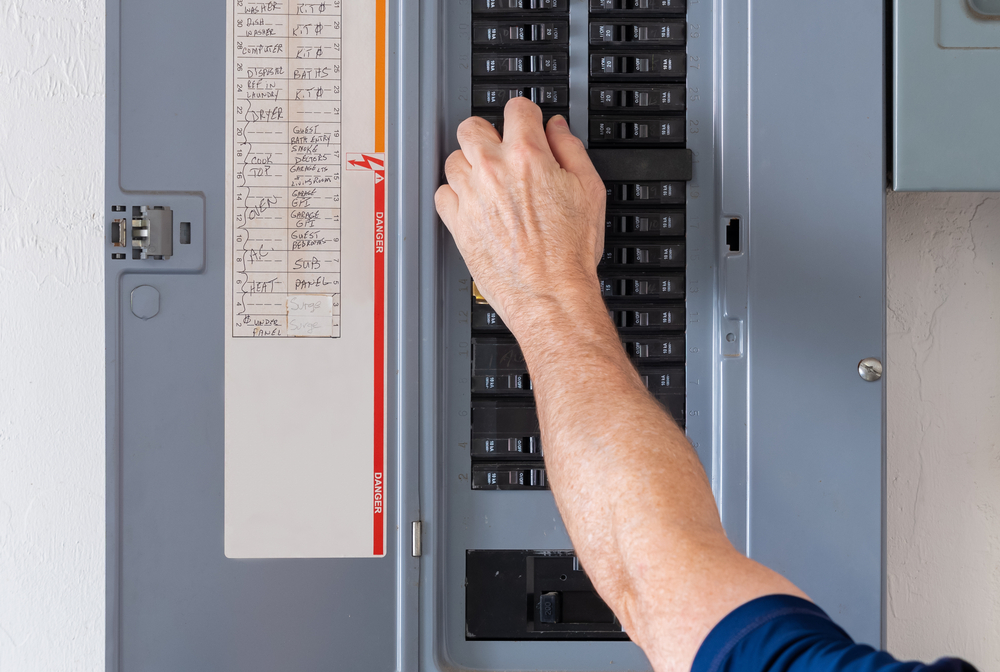
Check your electrical panel for signs of trouble before space heaters, holiday lighting, and other winter equipment increase household electrical demand.
Rochester Public Utilities warns that strong winds, snow, and ice can contribute to tree damage, outages, and downed power lines.
Keep extension cords out of wet areas and never run them beneath rugs or heavy objects.
Schedule an electrical inspection if you notice recurring breaker trips, buzzing, damaged outlets, burning odors, or other signs of an electrical problem.
Why Electrical Winterization Matters in Rochester
Electrical winterization matters in Rochester because southeastern Minnesota homes face months of cold, snow, ice, wind, and increased reliance on indoor electrical equipment. Preparing before those conditions arrive can uncover damaged components, overloaded circuits, and outdoor electrical problems while homeowners still have time to address them safely.
National Weather Service climate information illustrates how substantial the local winter can be. Historical climate data for the area shows an average winter temperature of 16.4°F and average annual snowfall of roughly 48 inches. Measurable snow has occurred from early October into early May.
At Kruger Electric Inc., we encourage homeowners to think about electrical preparation before the first severe cold spell rather than waiting until something stops working in January.
What Local Weather Data Tells Rochester Homeowners
Local weather data shows that electrical systems need to be prepared for a long cold-weather season, not just an occasional snowstorm. National Weather Service records show that winter is Rochester’s longest season, while Rochester Public Utilities specifically identifies strong winds, snow, and ice as conditions that can contribute to outages and electrical hazards.
That combination makes fall a practical time to inspect outdoor outlets, service equipment, panels, and circuits that will see heavier winter use.
RPU also notes an important difference between parts of the community. Older sections of the city may have overhead distribution lines, while newer neighborhoods commonly have underground lines. The winter risks around each property can therefore differ.
How Winter Electrical Problems Affect Your Home
Winter electrical problems can affect heating, lighting, appliances, home offices, and other equipment residents rely on during cold weather. A circuit that was only occasionally overloaded in summer may become more troublesome when additional lighting, portable heating equipment, humidifiers, or seasonal devices are operating.
An outage also becomes more consequential when outdoor temperatures are well below freezing. Homeowners should know how to report an outage, keep flashlights accessible, and understand which equipment in the home will stop operating without electricity.
Never attempt to repair utility lines or approach a downed line yourself.
What Warning Signs Should You Check Before Winter?
Warning signs before winter include recurring breaker trips, damaged outlets, unusual sounds, heat, and electrical equipment that does not operate consistently. Homeowners should pay particular attention to circuits and receptacles that will support additional cold-weather equipment.
Watch for:
Breakers that trip repeatedly
Buzzing or humming from switches or outlets
Warm or discolored outlet covers
Loose plugs or receptacles
Frayed or damaged appliance cords
Exterior outlets with cracked or missing covers
Flickering lights that occur repeatedly
Burning or unusual electrical odors
These symptoms should not simply be covered up by adding power strips or extension cords.
When Should You Call a Professional Electrician?
Call a professional electrician when an electrical problem involves wiring, panels, recurring breaker trips, damaged receptacles, overheating, unexplained power loss, or other conditions beyond a simple visual check. Homeowners can safely inspect accessible equipment, but electrical repairs should not become a winter DIY experiment.
Rochester Public Utilities advises residents to have qualified electricians handle wiring installation or extensions and recommends professional attention for outlets or switches that buzz or hum.
If a power line comes down during a winter storm, stay away from it and report the hazard. Treat every downed line as energized.
What Common Electrical Problems Can Winter Expose?
Winter can expose overloaded circuits, aging components, damaged outdoor equipment, and weaknesses that become noticeable as household electrical use changes. In Olmsted County homes, the combination of prolonged cold and winter storms makes several areas worth checking before the season begins.
1. Overloaded circuits: Portable heaters and other high-demand devices can place substantial loads on circuits.
2. Damaged outdoor receptacles: Moisture, ice, and snow make proper exterior electrical protection particularly important.
3. Aging wiring or panels: Older homes may have electrical systems that have been modified over decades.
4. Unsafe extension-cord use: Temporary cords can create hazards when used as permanent wiring, placed under rugs, or exposed to moisture.
5. Storm-related damage: Wind, ice, snow, and falling branches can affect overhead electrical service.
How Can You Prepare Your Electrical System for Winter?
Prepare your electrical system for winter by inspecting accessible components in early fall, testing safety devices, reducing unsafe cord use, and addressing known electrical problems before temperatures plunge. September and October are practical months for homeowners to complete these checks before winter weather becomes routine.
Test GFCI receptacles according to their instructions, especially around garages and exterior areas. Look at visible cords for cracking or fraying. Make sure outdoor receptacle covers are intact. Keep combustible materials away from electrical equipment.
Also review how you use portable heaters. Plug heating equipment into an appropriate wall receptacle according to the manufacturer’s directions rather than assuming an extension cord or power strip can safely handle it.
DIY maintenance should stop at observation, testing user-operable safety devices, and basic housekeeping. Do not remove a panel cover or attempt wiring repairs unless you are qualified to perform that work.
What Results Can You Expect From Winter Electrical Preparation?
Winter electrical preparation can identify correctable problems before they become more disruptive during cold weather. An inspection or needed repair may help address damaged components, inadequate circuits, faulty receptacles, or other conditions before your household settles into its highest-demand winter routines.
Preparation cannot prevent every outage or storm-related problem. Utility interruptions can still occur when severe weather damages trees, lines, or other infrastructure. The goal is to make the electrical system inside your property as prepared as reasonably possible.
What Winterization Mistakes Should Homeowners Avoid?
The biggest winterization mistakes involve treating temporary electrical solutions as permanent ones or ignoring warning signs until severe weather arrives. A better approach is to correct questionable electrical conditions before snow, ice, and extreme cold make repairs less convenient.
Mistake: Using extension cords as permanent wiring. Consequence: Cords can be damaged, overloaded, or placed where heat cannot dissipate properly. Better approach: Have adequate permanent receptacles installed where needed.
Mistake: Ignoring a breaker that repeatedly trips. Consequence: The underlying electrical problem remains unresolved. Better approach: Have the circuit evaluated before winter demand increases.
Mistake: Waiting until the first major cold snap. Consequence: A problem may appear when heating-related electrical needs are highest. Better approach: Complete inspections and repairs during fall.
What Is a Common Local Winter Scenario?
A common local scenario is a homeowner adding several electrical devices as temperatures fall, only to discover that an existing circuit cannot reliably support the new demand. The breaker begins tripping, and the homeowner responds by moving devices or adding extension cords rather than determining why the circuit is overloaded.
The safer response is to reduce the load and have recurring problems evaluated. This is especially relevant in older properties where present-day electrical needs may be very different from those anticipated when parts of the system were installed.
Which Electrical Services Can Help Prepare Your Home?
Professional electrical services can help identify and correct wiring, circuit, receptacle, panel, and other electrical issues discovered during winter preparation. The appropriate service depends on the condition of the home and the specific warning signs found during your fall inspection.
We can evaluate electrical concerns and help homeowners determine what needs professional attention before cold weather arrives.
DIY checks are appropriate for simple visual inspections and manufacturer-directed testing, while wiring repairs, panel work, recurring electrical faults, and installation work belong with a qualified professional. The dividing line should be safety, not whether a repair appears easy in an online tutorial.
Homeowners can inspect cords, clear clutter around electrical equipment, test accessible GFCIs, and identify damaged covers. Call an electrician when the task requires opening electrical equipment, modifying wiring, diagnosing repeated breaker trips, or correcting damaged components.
Where Do We Serve Around Rochester?
Our local service focus includes Rochester and surrounding southeastern Minnesota communities. Homeowners in nearby areas such as Byron, Stewartville, and other parts of Olmsted County face many of the same seasonal concerns as temperatures drop and winter storms move through the region.
What Can Happen If You Ignore Electrical Problems Before Winter?
Ignoring an electrical problem before winter can allow a manageable issue to become more disruptive when your household depends heavily on lighting, appliances, heating-related equipment, and other electrical devices. Recurring trips, damaged outlets, or overheating should be treated as warning signs rather than seasonal inconveniences.
Addressing concerns early also avoids relying on unsafe temporary fixes during periods of severe cold.
Frequently Asked Questions About Winter Electrical Preparation
When should I winterize my electrical system in Rochester?
Early fall is a practical time to winterize your electrical system in Rochester. Completing checks in September or October gives you time to identify damaged outdoor receptacles, troublesome circuits, or other electrical concerns before sustained freezing temperatures and winter storms become more common.
Should I test outdoor GFCI outlets before a Minnesota winter?
Yes. Test outdoor GFCI receptacles according to the manufacturer’s instructions and make sure exterior covers are intact before snow and ice arrive. RPU recommends GFCI protection in areas likely to be wet, including exterior locations, because these devices are designed to respond to ground-fault conditions.
Are space heaters safe to use in Rochester homes?
Space heaters should be used only according to the manufacturer’s safety and electrical instructions. Avoid improvised extension-cord arrangements and keep heaters away from combustible materials. If using a heater repeatedly causes a breaker to trip, stop treating the breaker as an inconvenience and have the electrical issue evaluated.
What should I do if a breaker keeps tripping during winter?
Reduce the electrical load and arrange for professional evaluation if a breaker repeatedly trips. Frequent trips can indicate an overloaded circuit or another electrical problem. Do not repeatedly reset a breaker without addressing the reason it is opening, especially when winter equipment has recently been added.
What should Rochester residents do around downed power lines?
Stay well away from downed electrical lines and report them to the utility or emergency authorities as appropriate. RPU warns that a fallen line may remain energized even when it is not sparking. Never touch the line, nearby branches, fences, or other objects that may have become energized.
Do older Rochester homes need extra electrical preparation?
Older homes can benefit from closer attention if their electrical systems have aged or been modified over time. Age alone does not mean a system is unsafe, but recurring breaker trips, loose receptacles, unusual sounds, damaged wiring, or reliance on numerous extension cords are good reasons to request an evaluation.
Can snow and ice cause electrical problems in Olmsted County?
Yes, winter weather can contribute to electrical problems, particularly around outdoor equipment, overhead lines, trees, and utility infrastructure. RPU notes that strong winds, snow, and ice can lead to tree damage, outages, or downed lines, making pre-winter preparation and storm awareness valuable for area homeowners.
Should I have my electrical panel checked before winter?
Consider professional evaluation if your panel shows warning signs or your household has recurring electrical problems. Breakers that trip frequently, signs of overheating, unusual sounds, or difficulty supporting normal household demand should be investigated rather than ignored until the coldest part of winter.
Get Your Home Electrically Ready for a Rochester Winter
A little preparation before the temperature drops can help uncover electrical concerns while there is still time to address them. We can help you evaluate problems and prepare your home’s electrical system for the demands of another southeastern Minnesota winter.
Prepare Your Home Before the Cold Sets In
Get electrical concerns addressed before winter weather makes them harder to ignore.
Opening walls during a remodel can reveal electrical wiring that has been hidden for decades. That is especially relevant in Rochester, MN, where older homes exist alongside newer construction, additions, and properties that have been updated in stages over the years.
Before demolition starts, homeowners should understand what electrical systems may be inside the walls and what changes the finished space will require. Planning those details early can help prevent unnecessary rework once framing, insulation, and drywall begin going back in.
Quick answer: Before tearing down walls, identify existing wiring, determine how the remodeled space will be used, plan outlets and lighting, evaluate whether circuits or the electrical panel need changes, and confirm permit and inspection requirements. Electrical work should be coordinated with demolition so wiring can be safely addressed before walls are opened or removed.
What local homeowners should know
Electrical wiring, switches, outlets, and junction points may be concealed in walls scheduled for demolition.
The City of Rochester states that electrical work requires a separate trade permit rather than being covered automatically by a building permit.
Older homes in the Rochester area may have electrical systems that have been modified during previous renovations.
Kitchen, bathroom, basement, and addition projects can significantly change a home’s electrical needs.
Planning electrical work before drywall installation gives homeowners an opportunity to place outlets, switches, lighting, and dedicated circuits where they will actually be useful.
Why Electrical Planning Matters for Rochester Remodels
Electrical planning matters for Rochester remodels because removing walls can affect existing circuits while also creating an opportunity to update the electrical layout for the renovated space. A remodeling plan that addresses only cabinets, flooring, walls, and finishes can overlook infrastructure that becomes much harder to change later.
Rochester’s housing stock includes a meaningful number of older properties. A housing study published by the City of Rochester reports that about 21 percent of the city’s housing stock was built before 1960. The same report identifies particularly high concentrations of older housing in the East and North submarkets.
For owners of older houses, remodeling may expose wiring or electrical layouts that do not match how the home is used today.
Kruger Electric Inc. can help homeowners evaluate the electrical side of a remodeling plan before walls are closed. From this point forward, we can coordinate electrical needs around the intended layout so homeowners and their remodeling teams have a clearer plan for the project.
Local Data and Remodeling Considerations
Local requirements make electrical planning an important early step in Rochester renovations. The City of Rochester states that a building permit does not include electrical, plumbing, or mechanical trade work. Those trades require separate permits. The city also notes that electrical work generally must be performed by licensed electrical contractors and their employees, with limited circumstances in which qualifying homeowners may perform work themselves.
Rochester Public Utilities is the city’s municipally owned electric utility and publishes construction requirements for residential electrical service work. If a remodel affects electrical service rather than only interior branch circuits, utility coordination may become part of project planning.
Homeowners outside Rochester city limits should confirm which authority has jurisdiction. Olmsted County notes that its Planning Department does not issue building permits within the City of Rochester and advises property owners to verify jurisdiction when necessary.
How Electrical Decisions Affect the Finished Remodel
Electrical decisions affect a finished remodel by determining where power, lighting, switches, appliances, and other electrical equipment can be used conveniently and safely. Making those decisions before walls are closed is usually much simpler than discovering afterward that the new layout needs additional electrical work.
Consider a kitchen renovation. Moving a refrigerator, range, dishwasher, or microwave may change where electrical connections are needed. Removing a wall can eliminate outlets or switches that were mounted on that wall. Adding an island can create new electrical considerations.
The same principle applies to basement finishes, bathroom renovations, home offices, additions, and open-concept conversions throughout the Rochester area.
Warning Signs That Your Remodel Needs Extra Electrical Attention
A remodel needs extra electrical attention when the existing system shows signs that it may not support the proposed layout or when demolition will disturb existing wiring. Homeowners should bring these issues to an electrician’s attention before construction moves too far forward.
Watch for:
Breakers that trip repeatedly during normal household use.
Lights that flicker or noticeably dim when appliances operate.
Outlets or switches that feel unusually warm or show discoloration.
Too few outlets for the way the remodeled room will be used.
Heavy reliance on extension cords or power strips.
Wiring that becomes visible during demolition and appears damaged or altered.
A remodeling plan that adds major appliances or substantial electrical loads.
Previous renovations with electrical work whose history or permitting is unclear.
These signs do not automatically identify a specific defect. They do indicate that the electrical system deserves closer evaluation before new finishes conceal it again.
When Should You Call an Electrician During a Remodel?
You should involve an electrician before demolition when walls containing electrical components will be removed, circuits will be relocated, or the remodeled room will require new power or lighting. Early coordination allows electrical requirements to become part of the remodeling plan instead of an unexpected issue during construction.
Homeowners can safely make decisions about where they want lamps, televisions, appliances, chargers, workstations, and lighting controls. Opening electrical equipment, relocating wiring, or modifying circuits requires a different level of expertise and may require permits and inspections.
The City of Rochester specifically identifies wiring and electrical work as trade work requiring separate permitting.
Common Electrical Issues Found During Rochester Remodels
Common electrical issues during Rochester remodels include outdated layouts, insufficient circuit capacity for the new room design, inconvenient outlet placement, and wiring that conflicts with structural changes. The exact conditions depend heavily on the home’s age and its renovation history.
1. Previous remodeling work: Homes that have been changed several times can contain wiring routed around former walls, additions, or room layouts.
2. Changing electrical demand: A room designed decades ago may not have been intended for today’s appliances, electronics, entertainment equipment, or home-office needs.
3. Wall removal: A wall that appears nonessential to the new floor plan may still contain wiring serving other parts of the house.
4. New kitchens and bathrooms: These spaces often involve substantial changes to appliances, lighting, receptacles, and other electrical equipment.
5. Additions and basement finishes: Creating new living space can require new circuits and may justify evaluating available panel capacity.
Electrical Planning Before the Walls Come Down
Electrical planning before demolition should start with the finished room, not simply the wiring that exists today. Decide how furniture, appliances, work areas, lighting, and electronics will be arranged, then determine what electrical infrastructure that layout requires.
For Rochester homeowners, a useful pre-demolition checklist includes documenting existing outlets and switches, identifying walls scheduled for removal, confirming appliance locations, deciding on lighting, considering future electrical needs, and discussing required permits and inspections.
Take photos before walls are closed again. A record of framing and electrical locations can also be useful for future home projects.
What Should You Expect From Professional Electrical Remodeling Work?
Professional electrical remodeling work should result in a system planned around the new layout, applicable requirements, and realistic household needs. The scope can range from relocating a few devices to adding circuits, modifying lighting, or addressing service-related needs.
Inspections are also part of the process when required. Rochester publishes inspection procedures for permitted work, and the city requires final inspection to keep permitted projects properly completed.
The goal is not simply to put wires back after demolition. It is to make the electrical system work with the remodeled space.
Common Electrical Remodeling Mistakes
Common electrical remodeling mistakes happen when electrical decisions are postponed until construction has already limited the available options.
Mistake: Demolishing first and investigating wiring later. Consequence: Existing circuits may be disrupted unexpectedly. Better approach: Identify electrical components in affected walls before demolition.
Mistake: Planning only for current furniture. Consequence: The remodeled room may lack convenient power if its layout changes. Better approach: Consider several likely furniture and equipment arrangements.
Mistake: Assuming the general building permit covers electrical work. Consequence: Required trade permitting can be overlooked. Better approach: Confirm electrical permit requirements during project planning. Rochester specifically treats electrical work as separate trade work.
Mistake: Closing walls too quickly. Consequence: Changes become more disruptive after drywall and finishes are installed. Better approach: Complete required electrical work and inspections at the proper stage before closing walls.
A Common Rochester Remodeling Scenario
A common Rochester remodeling scenario involves opening an older kitchen or living area to create a more connected floor plan. The wall being removed may contain outlets, switches, lighting feeds, or wiring that continues to another part of the house.
At the same time, the new design may add an island, recessed or decorative lighting, new appliances, and additional receptacles. Instead of treating each electrical change separately after demolition, planning the complete electrical layout beforehand allows the work to follow the new room design.
This is a representative scenario, not a specific Kruger Electric Inc. project.
Electrical Services That May Support a Remodel
Electrical services for a remodel may include circuit changes, outlet and switch relocation, lighting installation, dedicated circuits, panel-related work, and electrical planning for newly configured spaces. The appropriate scope depends on what the renovation changes and the condition of the existing system.
We can evaluate the areas affected by your project and help determine which electrical work should happen before demolition, during rough-in, and before walls are finished.
DIY planning is useful for deciding how you want the remodeled room to function, while electrical modifications and permit-sensitive work require careful attention to applicable requirements. Homeowners should focus on documenting needs and communicating the intended layout before deciding what work they are legally permitted and qualified to perform.
The City of Rochester allows homeowners to perform certain electrical work under limited conditions, including work on qualifying owner-occupied dwellings, but the work must be inspected. Professional contractors performing electrical work must meet applicable licensing requirements.
For major remodels, early coordination between the homeowner, remodeling contractor, electrician, and other trades can reduce conflicts between systems.
Service Areas
Electrical remodeling needs extend throughout Rochester and surrounding Olmsted County communities, including nearby Byron, Stewartville, Eyota, and other area properties. Permit jurisdiction and utility requirements can differ outside city limits, so homeowners should confirm the authority responsible for their specific address before work begins.
What Can Happen If Electrical Planning Is Delayed?
Delaying electrical planning can lead to additional demolition, schedule changes, inconvenient outlet placement, or electrical work that must be revisited after other construction is complete. Those problems become particularly frustrating once cabinets, tile, drywall, or finished surfaces have already been installed.
The best time to solve hidden-wall electrical questions is generally while those walls are already accessible.
Do I need an electrical permit for a home remodel in Rochester, MN?
Electrical work that is added or altered may require a separate electrical permit in Rochester. The City states that a building permit does not automatically cover trade work such as electrical wiring. Confirm the requirements for your project’s exact scope before work begins, especially when circuits, outlets, switches, or wiring will change.
Should an electrician come before demolition in Rochester?
An electrician should be involved before demolition when walls being removed contain electrical devices or wiring, or when the remodel significantly changes the electrical layout. Early evaluation helps identify circuits that may be affected and allows new outlets, lighting, appliances, and other electrical needs to be planned before construction progresses.
Can I do my own electrical work in Rochester, MN?
Qualifying homeowners may perform certain electrical work on their own homes under specific conditions. The City of Rochester says the work must be performed by the owner, the dwelling cannot contain more than two units, and the work must be inspected. Homeowners should verify current requirements for their project before beginning.
Are older Rochester homes more likely to need electrical changes during remodeling?
Older homes can require additional electrical planning because their original layouts may predate today’s household electrical needs and they may have undergone previous renovations. A city-published housing study reports that roughly 21 percent of Rochester housing was constructed before 1960, making existing-system evaluation particularly relevant for some local remodels.
Who provides electric utility service in Rochester?
Rochester Public Utilities is the municipally owned electric and water utility serving the Rochester community. Remodels involving changes to electrical service equipment or other utility-related work may require coordination beyond ordinary interior circuit changes, depending on the project’s scope.
Should I replace my electrical panel during a remodel?
Panel replacement is not automatically necessary during a remodel. The decision should be based on the existing equipment, available capacity, condition, planned electrical loads, and scope of renovation. An evaluation before major construction can determine whether the project requires panel work or whether the existing system can accommodate the planned changes.
When should electrical rough-in happen during a Rochester remodel?
Electrical rough-in generally happens after the new layout and framing are established but before walls are insulated and permanently closed. Exact sequencing depends on the project and required inspections. Coordinating the schedule early helps ensure electrical work is accessible when needed and does not conflict with plumbing, HVAC, or other trades.
What should I tell my electrician before remodeling?
Tell your electrician which walls are changing, where appliances and furniture will go, what lighting you want, and how you expect to use the finished space. Also mention future plans such as additional appliances, a home office, workshop equipment, or other electrical needs that could influence circuit and outlet planning.
Plan the Electrical Work Before You Close the Walls
A successful Rochester remodel is not only about what the finished room looks like. The systems behind the walls need to support how that room will function for years to come. Planning electrical work early can make the construction process more organized and reduce the need to revisit finished surfaces later.
Get Your Rochester Remodel Electrically Ready
We can help you identify electrical needs before demolition and coordinate the work required for your new layout.
Thunderstorms, high winds, winter weather, and sudden utility interruptions are all familiar parts of life in Rochester, MN. While homeowners often think of lightning as the main electrical threat during severe weather, damaging voltage changes can also happen when power is interrupted or electrical equipment switches on and off.
Whole-home surge protection adds an important layer of defense for the electronics and electrical systems modern homes depend on.
Quick answer: Whole-home surge protection helps limit damaging voltage spikes before they reach appliances, electronics, HVAC equipment, and other connected devices throughout a house. For Rochester homeowners dealing with thunderstorms, wind events, winter storms, and occasional power interruptions, a properly installed surge protective device at the electrical panel can provide broader protection than relying only on individual power strips.
What local homeowners should know
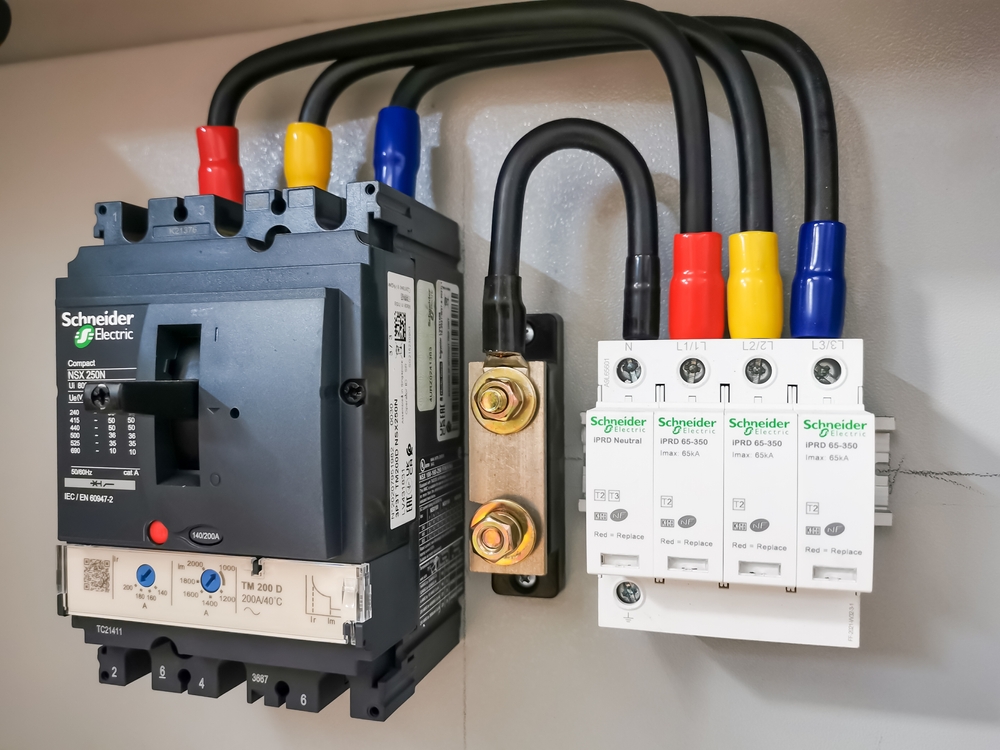
A whole-home surge protector is installed at or near the main electrical panel and is designed to divert excess voltage away from connected equipment.
Severe weather in southeastern Minnesota can bring lightning, high winds, heavy precipitation, and power interruptions.
Surge protection can help protect more than televisions and computers because many modern furnaces, air conditioners, kitchen appliances, and smart-home devices contain sensitive electronics.
Plug-in surge strips can still be useful, but they should be considered an additional layer rather than a substitute for whole-home protection.
Homes throughout Olmsted County can experience electrical disturbances even when lightning does not directly strike the property.
Why Whole-Home Surge Protection Matters in Rochester
Whole-home surge protection matters in Rochester because local properties face electrical disturbances associated with thunderstorms, wind, snow, utility interruptions, and everyday equipment cycling. A panel-mounted surge protective device helps reduce the amount of excess voltage that can travel through branch circuits and reach sensitive equipment inside the home.
Weather conditions here provide good reason to think beyond a basic power strip. National Weather Service records show that Rochester receives significant precipitation during the warmer months, when thunderstorms are a recurring regional concern. In 2024, for example, June recorded 9.86 inches of precipitation, while June 2025 recorded 6.38 inches.
Winter brings a different set of electrical concerns. Wind, snow, ice, trees, and regional grid conditions can contribute to interruptions. Rochester Public Utilities reported that a March 15, 2026 storm-related incident occurred when a tree contacted a high-voltage transmission line during blizzard conditions. The resulting outage affected approximately 6,642 electric customers, with additional customers experiencing a brief interruption.
Kruger Electric Inc. helps local property owners understand electrical protection options for conditions like these. We can evaluate the electrical panel and determine how whole-home surge protection may fit into the property’s electrical system.
Local Data and Weather Conditions
Rochester weather creates electrical risks in more than one season, with summer storms and winter weather both capable of disrupting electrical service. National Weather Service climate information for the area documents everything from heavy summer rainfall to substantial winter snowfall, reinforcing why southeastern Minnesota homes have to handle changing conditions throughout the year.
Rochester Public Utilities maintains an outage system for its service area and provides residents with an outage map for current electrical interruptions. RPU serves more than 61,000 electric customers, making electrical reliability an important community-wide issue rather than a concern limited to a few neighborhoods.
A power outage itself is not the same thing as a surge. However, switching events and changes associated with electrical systems can produce voltage fluctuations. Surge protection is designed to help limit the effect when excessive transient voltage reaches a home’s electrical system.
How Electrical Surges Can Affect a Rochester Home
Electrical surges can damage or gradually stress sensitive components found in many of the systems Rochester homeowners use every day. Modern homes contain more circuit boards and electronic controls than older homes did, which means electrical protection is no longer only about safeguarding a desktop computer or television.
Potentially vulnerable equipment includes:
Furnaces and central air-conditioning systems
Refrigerators and other kitchen appliances
Washers and dryers with electronic controls
Televisions and home entertainment equipment
Computers, routers, and networking equipment
Smart thermostats and home automation equipment
Garage door openers
Charging equipment and other connected electronics
Homes in areas such as Elton Hills, Kutzky Park, and Northwest Rochester can contain very different electrical systems depending on their age and previous upgrades. The right approach begins with understanding the individual property.
Warning Signs That Surge Protection May Be Worth Considering
Several signs can make a whole-home surge protection evaluation especially worthwhile, although a home does not need to show obvious electrical problems before protection is installed.
Watch for:
Electronics that unexpectedly reset during storms or brief power interruptions.
Digital clocks that frequently need to be reset after electrical disturbances.
A home with numerous smart appliances or connected devices.
Expensive HVAC equipment with electronic control boards.
Frequent reliance on plug-in surge strips throughout the house.
Previous appliance or electronics failures following storms or outages.
A recently upgraded electrical panel without whole-home surge protection.
Concerns about protecting home-office or networking equipment.
These signs do not prove that surges are occurring. An electrician can evaluate the electrical system when unusual electrical behavior is persistent.
When to Call a Professional
A licensed electrical professional should handle whole-home surge protector installation because the device connects directly to the home’s electrical system or service equipment. Homeowners can safely review their existing plug-in protection and note equipment that behaves unusually, but opening a panel or modifying wiring should not become a DIY project.
This is especially important when a property has an older panel, previous electrical modifications, limited panel space, or other conditions that need to be evaluated before installation.
For homeowners around Rochester and neighboring Olmsted County communities, scheduling an electrical assessment before peak storm periods can also provide time to address other visible panel or grounding concerns.
Common Local Causes of Electrical Surges
Electrical surges in Rochester can come from both outside and inside the home, which is why storm protection is only part of the picture.
1. Lightning and thunderstorms: A nearby lightning event can induce significant voltage on electrical or communication lines even without a direct strike to the house.
2. Utility and grid switching: Electrical systems regularly switch equipment as part of normal operation and restoration activities.
3. Storm-related interruptions: High winds, falling trees, snow, and ice can contribute to outages and momentary interruptions in southeastern Minnesota.
4. Large equipment inside the home: Motors and compressors in appliances and HVAC systems can create smaller electrical disturbances as they cycle.
Because these sources are different, no single device can eliminate every electrical risk. Whole-home protection is designed to reduce exposure to transient overvoltage.
How to Improve Surge Protection
The strongest practical approach is layered surge protection that begins at the electrical panel and continues at particularly sensitive electronics. Whole-home protection addresses surges entering or traveling through the electrical system, while quality point-of-use devices can provide another layer for selected equipment.
Homeowners can also:
Replace damaged or outdated plug-in surge strips.
Avoid assuming an ordinary power strip provides surge protection.
Have visible electrical or grounding problems professionally evaluated.
Consider surge protection when replacing or upgrading an electrical panel.
Review protection before southeastern Minnesota’s active spring and summer storm seasons.
Unplug particularly sensitive portable electronics when severe storms are approaching, when doing so is safe.
Whole-home and plug-in surge protectors serve different purposes, and using both can create a more complete protection strategy. A whole-home device protects at the electrical panel, while a plug-in protector focuses on equipment connected to a particular receptacle.
Option
Best Use
Main Limitation
Whole-home surge protection
Broad protection for circuits and connected equipment
Requires professional installation
Plug-in surge protector
Additional protection for individual electronics
Protects only connected devices
Basic power strip
Adds outlets
May provide no surge protection at all
Layered protection
Combines panel and point-of-use protection
Requires choosing appropriate devices
For a home filled with electronic appliances and controls, relying entirely on inexpensive plug-in strips can leave significant equipment outside that protection.
Service Areas
We help property owners in Rochester and surrounding southeastern Minnesota communities evaluate electrical protection needs. Nearby areas such as Byron, Stewartville, Pine Island, and other communities around Olmsted County experience many of the same seasonal storm and winter-weather concerns.
The Cost of Ignoring Surge Protection
Skipping surge protection can leave expensive electronic equipment exposed to voltage spikes that may cause immediate failure or contribute to component damage over time. The potential impact can extend beyond replacing a television when HVAC controls, refrigerators, computers, networking equipment, or other major appliances are involved.
Protection does not guarantee that every device will survive every electrical event, particularly an extreme or direct lightning event. Its purpose is to reduce the electrical stress that reaches equipment and add another layer of protection to the home’s electrical system.
Frequently Asked Questions About Whole-Home Surge Protection
Does a Rochester, MN home really need whole-home surge protection?
Whole-home surge protection can be a worthwhile addition for Rochester homes because thunderstorms, storm-related outages, utility switching, and equipment inside the house can all contribute to voltage disturbances. Modern appliances also contain increasingly sensitive electronic controls, giving homeowners more equipment that may benefit from panel-level protection.
Will whole-home surge protection stop damage from a direct lightning strike?
No surge protector can be presented as guaranteed protection against every direct lightning event. Whole-home surge protection is designed to limit transient excess voltage and reduce exposure throughout the electrical system. A layered electrical and lightning protection strategy may be appropriate when a property has additional risk factors.
Are power strips enough for homes in Rochester?
Power strips alone are generally not equivalent to whole-home surge protection, and some power strips provide no surge protection at all. A panel-mounted device protects at a broader level, while properly rated point-of-use surge protectors can add another layer for computers, entertainment systems, and other sensitive electronics.
Can winter storms cause electrical problems in Olmsted County?
Yes, winter weather can contribute to electrical interruptions through high winds, heavy snow, ice, falling branches, and other system impacts. RPU documented a March 2026 outage associated with a tree contacting a transmission line during blizzard conditions, showing that local electrical disruptions are not limited to summer thunderstorms.
Does whole-home surge protection protect an HVAC system?
Whole-home surge protection can help reduce transient excess voltage reaching HVAC equipment through the home’s electrical system. That matters because many modern furnaces and air conditioners contain electronic controls. Depending on the equipment and installation, an electrician may discuss whether additional equipment-specific protection is appropriate.
When is the best time to install surge protection in Rochester?
Surge protection can be installed year-round, but completing the work before spring and summer thunderstorm activity gives homeowners protection before severe-weather season. It can also be convenient to discuss surge protection during an electrical panel upgrade or when adding other major electrically powered equipment.
Does a whole-home surge protector need maintenance?
Whole-home surge protectors should be checked periodically according to the device manufacturer’s instructions because surge protective components do not last indefinitely. Many devices include an indicator showing operating status. If that indicator signals a problem, or if a major electrical event has occurred, professional evaluation may be appropriate.
Can homeowners install their own whole-home surge protector?
Whole-home surge protector installation should be handled by a qualified electrical professional because it involves work inside or directly connected to electrical service equipment. Homeowners can inspect status lights and plug-in devices safely, but panel wiring and electrical modifications involve hazards that require appropriate training and procedures.
Protect Your Rochester Home Before the Next Electrical Surge
Whole-home surge protection gives local homeowners another layer of defense against the electrical disturbances that can accompany southeastern Minnesota storms, outages, and everyday electrical activity. We can help you determine whether your existing system is properly equipped and discuss protection that fits your home.
Add Whole-Home Electrical Protection With Confidence
Get a professional evaluation so you understand your options without guessing about your electrical system.
An electrical panel that once handled a home’s needs may struggle as new appliances, HVAC equipment, home offices, and other electrical loads are added. In Rochester, cold winters can also put additional demands on household electrical systems as residents spend more time indoors and rely on heating equipment and other seasonal devices.
Quick answer: Your home may need an electrical panel upgrade if breakers trip frequently, lights flicker or dim, the panel feels warm, you hear buzzing or crackling, you rely heavily on extension cords, or your existing panel cannot support planned electrical improvements. An older panel is not automatically unsafe, but its condition, capacity, and compatibility with your home’s current electrical needs should be evaluated by a qualified electrician.
What local homeowners should know
Frequently tripped breakers can indicate that individual circuits or the electrical system are being asked to handle more than they should.
Rochester’s long heating season can increase household electrical demand, especially in homes using electric space heaters or other supplemental equipment.
Older homes in established areas may have electrical systems designed for fewer appliances and electronics than families use today.
Adding an EV charger, electric range, hot tub, major HVAC equipment, or other large load may require an electrical capacity evaluation first.
Burning odors, visible scorching, crackling sounds, or other signs of overheating require prompt professional attention.
Why Electrical Panel Capacity Matters in Rochester Homes
Electrical panel capacity matters because the panel distributes electricity safely among the circuits serving your lights, outlets, appliances, and equipment. When household demand grows beyond what the existing system was designed to accommodate, homeowners may experience nuisance trips, limited expansion options, or electrical problems that deserve professional evaluation.
That can be particularly relevant in southeastern Minnesota. Rochester experiences substantial seasonal temperature swings, with cold winters that keep households indoors and electrical equipment working for long periods. National Weather Service climate information for the Olmsted County area documents the region’s cold winters and significant seasonal variation.
Homes also vary widely across the area. Properties near downtown, established neighborhoods such as Kutzky Park and Historic Southwest, and newer developments on the edges of the city may have very different electrical systems.
Kruger Electric Inc. can help homeowners determine whether an existing electrical panel still matches the property’s electrical needs. We look at the condition and capacity of the system rather than assuming that age alone means replacement is necessary.
Local Data and Electrical Considerations
Local requirements make professional planning especially important when an electrical panel project involves permitted electrical work. The City of Rochester states that electrical work requires separate trade permitting, and electrical work performed under applicable permits must meet inspection requirements.
City guidance also explains that electrical contractors performing permitted work are subject to licensing requirements. Rochester Public Utilities provides electric service throughout the greater local area.
Weather is another practical consideration. National Weather Service data shows that winters in the area regularly bring sustained cold conditions. During these periods, supplemental electric heaters, lighting, entertainment equipment, kitchen appliances, and other devices may be used simultaneously more often.
These factors do not automatically mean a panel must be replaced. They do make electrical capacity and condition worth evaluating when problems repeatedly occur.
7 Warning Signs You May Need an Electrical Panel Upgrade
The clearest signs you may need an electrical panel upgrade include recurring breaker trips, flickering lights, unusual panel noises, overheating, insufficient capacity, and difficulty supporting new electrical equipment. Any one symptom can have several possible causes, so diagnosis should come before deciding that replacement is necessary.
Breakers trip repeatedly. A breaker that trips occasionally may simply be responding to an overloaded circuit. Repeated trips, especially during normal household use, deserve investigation.
Lights flicker or dim when appliances start. Noticeable changes when large equipment turns on may point to a circuit, connection, service, or capacity issue.
The panel is warm or shows discoloration. Excessive heat, scorch marks, or a burning smell around electrical equipment should never be ignored.
You hear buzzing or crackling. Electrical panels should not routinely produce pronounced buzzing, crackling, or arcing sounds.
Your household depends on extension cords and power strips. Heavy reliance on temporary solutions may indicate that your home lacks the circuits and receptacles needed for modern use.
You are planning a major electrical addition. EV charging, electric appliances, hot tubs, workshops, HVAC upgrades, and similar projects can significantly change electrical demand.
Your existing panel has little room for expansion. A full panel does not automatically require replacement, but an electrician should determine the safest way to accommodate additional circuits.
When Should You Call an Electrician?
Call an electrician when electrical problems repeat, the panel shows signs of heat or damage, or you are planning equipment that could significantly increase electrical demand. Homeowners can monitor which appliances are running when a breaker trips, but opening a panel or attempting internal electrical repairs should be left to qualified professionals.
Burning odors, visible arcing, smoke, severe overheating, or repeated electrical failures should be treated as urgent warning signs. If conditions appear immediately dangerous, move away from the affected equipment and seek appropriate emergency assistance.
For less urgent issues, keeping notes about breaker trips, flickering lights, and when symptoms occur can help an electrician diagnose the problem more efficiently.
Common Reasons Rochester Homes Outgrow Their Electrical Panels
Rochester homes commonly outgrow existing electrical systems because household electrical demand increases as appliances, equipment, renovations, and technology are added. A system that worked adequately years ago may have less available capacity after repeated home improvements.
Common contributors include:
Major appliance additions: Electric ranges, dryers, water heaters, and other high-demand equipment can change a home’s electrical load.
EV charging: Installing home charging equipment requires evaluating available electrical capacity.
HVAC changes: New heating or cooling equipment may affect electrical requirements.
Home offices and electronics: Multiple computers, monitors, printers, televisions, networking equipment, and chargers add to everyday usage.
Renovations: Finished basements, workshops, additions, and remodeled kitchens can require new circuits.
Older electrical infrastructure: Established homes in Olmsted County may have systems that were installed when household electrical expectations were substantially different.
How to Reduce Electrical Panel Problems
The best way to reduce electrical panel problems is to avoid overloading circuits, address recurring symptoms early, and have electrical capacity evaluated before adding major equipment. Rochester homeowners can perform simple visual and behavioral checks without removing the panel cover or touching internal components.
Pay attention to which devices are operating when breakers trip. Avoid using extension cords as permanent wiring, and do not repeatedly reset a breaker that immediately trips again.
Before adding an EV charger, major appliance, hot tub, workshop equipment, or substantial electrical load, schedule an evaluation. Planning ahead can identify whether the existing system has adequate capacity and whether additional electrical work is necessary.
What to Expect From an Electrical Panel Evaluation
An electrical panel evaluation should determine the condition of the existing equipment, available capacity, current electrical demand, and whether repairs or an upgrade are appropriate. The result is not automatically a recommendation for replacement.
Depending on the home, an electrician may inspect the panel, breakers, visible wiring conditions, service characteristics, and the electrical requirements of planned improvements. If an upgrade is appropriate, the project may involve permitting, utility coordination, installation, and required inspection steps.
The City of Rochester notes that trade work such as electrical work requires separate permits, so local requirements should be incorporated into project planning.
Common Electrical Panel Mistakes to Avoid
The biggest electrical panel mistakes involve ignoring recurring warning signs, treating breaker trips as an inconvenience, or attempting unsafe DIY repairs. A better approach is to identify why the problem is occurring before deciding on a repair or replacement.
Mistake: Resetting a breaker every time it trips without investigating. Consequence: The underlying overload or electrical fault may remain unresolved. Better approach: Track when the trip occurs and have recurring problems evaluated.
Mistake: Assuming every older panel automatically needs replacement. Consequence: You may pursue work without first understanding the panel’s actual condition and capacity. Better approach: Start with a professional assessment.
Mistake: Adding large electrical loads without checking capacity. Consequence: The existing system may not be suited to the new demand. Better approach: Evaluate electrical requirements during project planning.
A Common Local Scenario
A common Rochester scenario is a homeowner planning several upgrades only to discover that the electrical system needs to be evaluated before the projects can move forward. For example, a household might be considering an EV charger while also replacing appliances or finishing part of a basement.
Each individual improvement may seem manageable, but together they can significantly change electrical demand. Rather than guessing whether the existing panel is sufficient, an electrician can assess the combined load and recommend an appropriate path.
This is especially useful when planning improvements before winter or coordinating a larger renovation.
Electrical Panel and Related Service Solutions
Electrical panel services can address capacity limitations, damaged equipment, planned electrical additions, and other issues identified during a professional inspection. The appropriate solution depends on the condition of the system and what the homeowner wants to power.
We can evaluate electrical panel concerns and help determine whether the situation calls for troubleshooting, circuit changes, panel-related work, or a broader electrical upgrade.
Repair may make sense when a specific correctable problem exists, while an upgrade may be appropriate when the panel is damaged, unsuitable, or unable to support the home’s planned electrical needs. The right decision should be based on inspection and load requirements rather than age alone.
A homeowner experiencing one faulty circuit may need a different solution than someone adding multiple large electrical loads. Likewise, having an older home does not by itself prove that the panel needs replacement.
Professional evaluation helps separate isolated electrical problems from broader capacity concerns.
Electrical Panel Service Areas
Electrical panel concerns can affect homes throughout Rochester and surrounding southeastern Minnesota communities. Properties across Olmsted County, including areas near Byron and Stewartville, can face many of the same questions about older electrical systems, renovations, appliances, and growing household demand.
Service availability outside the primary area should be confirmed when scheduling.
What Can Happen If You Ignore Panel Problems?
Ignoring persistent electrical panel warning signs can allow an unresolved electrical issue to continue and may interfere with future renovations or equipment installations. Breaker trips, overheating, burning odors, or unusual sounds should not become accepted as normal household behavior.
Waiting can also complicate project planning. Discovering inadequate electrical capacity after purchasing a major appliance or planning an EV charger can create delays that an earlier evaluation might have identified.
FAQ About Electrical Panel Upgrades in Rochester, MN
How do I know if my Rochester home needs a new electrical panel?
Recurring breaker trips, overheating, unusual sounds, visible damage, limited expansion room, or insufficient capacity for planned equipment can justify an evaluation. These signs do not prove that replacement is required. An electrician should inspect the system and determine whether troubleshooting, repair, circuit changes, or a panel upgrade is appropriate.
Does an older electrical panel in Rochester automatically need replacement?
No, age alone does not automatically mean an electrical panel must be replaced. Its physical condition, design, available capacity, installed equipment, and the home’s electrical demands matter more. If you own an older property in an established Rochester neighborhood, an electrical evaluation can clarify whether the system remains appropriate.
Do I need a permit for electrical panel work in Rochester?
Electrical work may require the applicable electrical trade permit and inspections, depending on the project scope. City of Rochester guidance states that trade work such as electrical wiring requires separate permitting from a general building permit. Project-specific requirements should be confirmed before work begins.
Can my electrical panel support an EV charger?
It depends on the charger’s electrical requirements and your home’s existing service and load. Before installing home EV charging equipment in Rochester, have the available electrical capacity evaluated. An electrician can determine whether the existing system can accommodate the charger or whether other electrical changes should be considered.
Why does my breaker keep tripping during winter in Olmsted County?
A breaker may trip because a circuit is overloaded or because another electrical problem is present. During southeastern Minnesota winters, households may use supplemental heaters and additional indoor equipment. If a breaker repeatedly trips during ordinary use, avoid continually resetting it and have the cause professionally diagnosed.
Are flickering lights a sign that my panel needs an upgrade?
Flickering lights can indicate an electrical issue, but they do not automatically mean the panel needs replacement. Loose connections, circuit problems, equipment operation, or other electrical conditions can produce similar symptoms. Persistent or worsening flickering in a Rochester home should be evaluated to identify the actual cause.
Can I upgrade my electrical panel myself in Rochester?
Electrical panel work is not a routine DIY project and involves significant electrical hazards. The City provides specific rules for when homeowners may perform electrical work on qualifying owner-occupied properties, and permitted work is subject to applicable inspection requirements. Most homeowners should rely on qualified electrical professionals for panel work.
Should I upgrade my panel before remodeling my Rochester home?
An electrical evaluation before remodeling can help determine whether the existing system will support the project’s new circuits and equipment. Kitchen renovations, finished basements, workshops, additions, and new appliances can increase electrical demand. Reviewing capacity early can help prevent electrical limitations from unexpectedly delaying later stages of the project.
Plan for a Safer, More Capable Electrical System
Electrical panel problems are easier to address when you identify them before they interfere with daily life or a planned home improvement. For homeowners throughout Rochester and the surrounding Olmsted County area, a professional evaluation can determine what the existing system can safely support and what changes, if any, make sense.
Get Your Rochester Home Ready for Its Electrical Needs
A properly evaluated electrical system gives you a clearer path forward whether you are solving recurring problems, remodeling, or planning new electrical equipment.
Spring and summer storms are a familiar part of life in southeastern Minnesota. High winds, lightning, and power outages can arrive with little warning, leaving homeowners concerned about damaged electronics and expensive electrical repairs. Preparing your home’s electrical system before storm season can help reduce the risk of costly surprises.
Quick Answer
Whole-home surge protection helps protect your home’s electrical system and connected appliances from sudden voltage spikes caused by lightning, utility grid switching, and power restoration after outages. For homeowners in Rochester, installing a whole-home surge protector before storm season provides an extra layer of protection for everything from HVAC equipment to smart home devices without relying solely on individual power strips.
What Local Readers Should Know
Whole-home surge protectors are installed at your home’s electrical panel to help reduce damaging voltage spikes before they reach branch circuits.
Rochester and Olmsted County experience thunderstorms throughout the warmer months, increasing the potential for lightning-related power surges.
Even small surges caused by utility switching or large appliances cycling on and off can gradually shorten the lifespan of electronics.
Homes with smart appliances, home offices, electric vehicle chargers, and modern HVAC systems often have more sensitive equipment than older homes.
Surge protection works best when combined with proper grounding and an electrical system that meets current safety standards.
Why This Matters Locally
Whole-home surge protection matters because Rochester homeowners depend on increasingly sophisticated electrical systems. Between thunderstorms, occasional severe weather moving through southeastern Minnesota, and normal utility operations, electrical surges are more common than many people realize.
Neighborhoods with both newer developments and established homes often contain a mix of electrical systems. Older homes may have outdated panels or grounding systems, while newer homes contain thousands of dollars in connected electronics. Areas near Cascade Lake, neighborhoods around Mayo Clinic, and surrounding communities like Byron, Stewartville, Eyota, and Oronoco all experience the same seasonal weather patterns that can create electrical surges.
At Kruger Electric Inc., we help homeowners understand how surge protection fits into an overall electrical safety plan. From there, we focus on recommending solutions that match each home’s electrical needs.
Local Data and Field Observations
According to the National Weather Service, Minnesota experiences thousands of lightning strikes each year, with thunderstorms becoming most frequent during late spring and summer. While a direct lightning strike is uncommon, nearby strikes and utility system events can still generate voltage spikes capable of damaging sensitive electronics.
From a professional field perspective, many homeowners only discover surge damage after multiple devices begin failing over time. Electronics may continue working after a surge but develop shortened lifespans or intermittent performance issues.
How Power Surges Affect Rochester Homes
Whole-home surge protection helps reduce damage because surges can affect nearly every electrical device connected to your home’s wiring.
Potential impacts include:
Premature HVAC control board failure
Damaged refrigerators and kitchen appliances
Failed televisions and entertainment systems
Router and modem replacement
Smart thermostat malfunctions
Computer and home office equipment damage
Electric garage door opener problems
Reduced lifespan of LED lighting and smart home devices
For many homeowners, replacing several damaged devices costs significantly more than installing preventative protection.
Warning Signs Your Home May Need Surge Protection
You may benefit from whole-home surge protection if you notice any of the following:
Frequent power outages or flickering lights during storms
Electronics that fail sooner than expected
Breakers tripping after severe weather
You recently installed expensive appliances or smart home equipment
Your home contains a home office with computers and networking equipment
You have an electric vehicle charger
Your electrical panel is older and has never been upgraded with surge protection
When to Call a Professional
A licensed electrician should evaluate your electrical system if you want to install whole-home surge protection or if you’ve experienced repeated electrical issues after storms.
Homeowners can safely:
Use quality surge-protected power strips for sensitive electronics.
Unplug valuable electronics during severe storms if it is safe to do so.
Monitor for flickering lights or recurring breaker trips.
Professional service is recommended when:
Installing whole-home surge protection.
Upgrading electrical panels.
Evaluating grounding systems.
Diagnosing unexplained electrical damage.
Inspecting the electrical system after significant lightning events.
Common Local Causes of Power Surges
1. Thunderstorms and Lightning
Lightning is one of the most recognized causes of damaging electrical surges throughout southeastern Minnesota.
2. Utility Grid Switching
Power companies occasionally switch electrical loads or restore service after outages. These transitions can create temporary voltage spikes.
3. Large Appliances Cycling
Air conditioners, refrigerators, and other high-powered appliances naturally create smaller internal surges each time they cycle on and off.
4. Aging Electrical Equipment
Older electrical panels or grounding systems found in some established Rochester neighborhoods may not provide the same level of protection as newer installations.
Prevention and Maintenance
The best time to install surge protection is before severe weather becomes frequent.
Helpful preventative steps include:
Schedule an electrical inspection before storm season.
Have your grounding system evaluated.
Install a whole-home surge protector at the main service panel.
Continue using quality point-of-use surge protectors for valuable electronics.
Replace damaged extension cords and worn power strips.
Ask an electrician whether your electrical panel can support modern surge protection devices.
Expected Results
While no surge protection system can eliminate every possible electrical risk, professionally installed whole-home surge protection can significantly reduce exposure to many common voltage spikes.
Homeowners often gain:
Better protection for appliances
Improved protection for smart home devices
Reduced risk of costly electronic replacements
Greater peace of mind during storm season
An electrical system better prepared for modern technology
Common Mistakes
Mistake: Assuming power strips protect the entire house.
Consequence: Major appliances and permanently wired equipment remain vulnerable.
Better Approach: Use whole-home surge protection alongside quality surge strips for sensitive electronics.
Mistake: Waiting until after lightning damage occurs.
Consequence: Repairs and replacements may become much more expensive.
Better Approach: Install protection before severe weather arrives.
Mistake: Ignoring grounding issues.
Consequence: Surge protection cannot perform as intended without a properly functioning grounding system.
Better Approach: Include grounding evaluation during electrical inspections.
Common Local Scenario
A Rochester homeowner installs a new HVAC system, several smart appliances, and a home office setup over the winter. As summer thunderstorms approach, they realize these investments represent thousands of dollars in sensitive electronics. Rather than relying only on individual power strips, they schedule an electrical inspection to determine whether whole-home surge protection would improve protection for the entire house.
Related Service Solutions
Whole-home surge protection often works alongside other electrical services, including:
Protects the home’s electrical system and many connected devices
Does not replace quality point-of-use protection for sensitive electronics
Combined protection
Provides layered protection throughout the home
Requires professional installation for whole-home equipment
Service Areas
We proudly serve homeowners throughout Rochester, Olmsted County, Byron, Stewartville, Eyota, Oronoco, and surrounding southeastern Minnesota communities. Our goal is to help local homeowners improve electrical safety before storm season arrives.
Cost of Ignoring the Issue
Waiting until after a damaging surge can result in replacing multiple appliances, electronics, HVAC components, or electrical equipment. Even smaller surges that go unnoticed may gradually shorten the lifespan of expensive devices over time.
Does Rochester experience enough storms to justify whole-home surge protection?
Yes. Rochester experiences seasonal thunderstorms that can produce lightning and utility-related power events. Even without a direct lightning strike, nearby activity and power restoration can create voltage surges.
Can a whole-home surge protector stop every electrical surge?
No. Whole-home surge protectors reduce many common voltage spikes but cannot guarantee protection against every possible electrical event. Layered protection provides the best overall strategy.
Is whole-home surge protection worth it for newer homes in Rochester?
Yes. Newer homes often contain more sensitive electronics, smart devices, and connected appliances that can benefit from additional protection.
Will a surge protector protect my HVAC system?
Yes. Whole-home surge protection may help reduce surge-related damage to HVAC equipment connected to your home’s electrical system.
Should homeowners in Olmsted County still use surge strips?
Yes. Quality surge strips continue providing additional protection for sensitive electronics and work well alongside whole-home surge protection.
When should surge protection be installed?
Before storm season is generally the best time. Installing protection before severe weather increases helps reduce exposure to seasonal electrical surges.
Protect Your Home Before Storm Season
Electrical surges often happen without warning, but preparing your home’s electrical system doesn’t have to be complicated. By combining professional evaluation with properly installed whole-home surge protection, homeowners can better protect valuable appliances and electronics while reducing the risk of unexpected electrical damage.
Protect Your Rochester Home’s Electrical System
Storm season doesn’t wait, and neither should electrical safety planning.